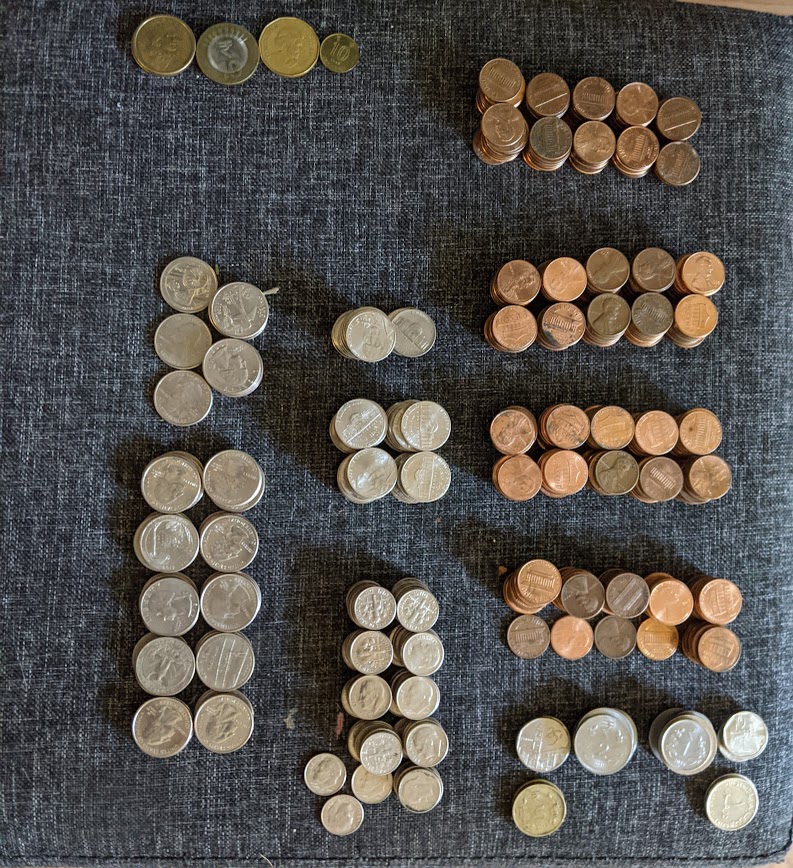
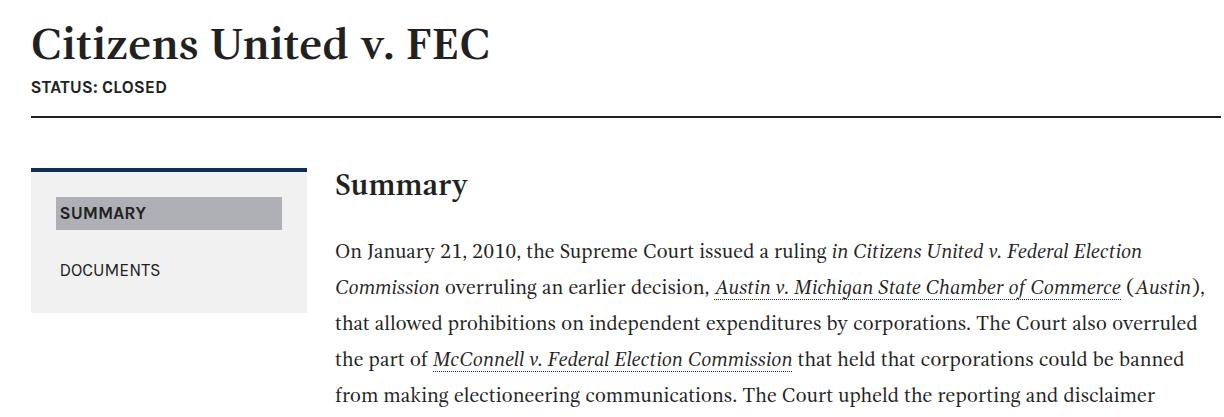
Over the last few years - and at an every increasing pace, there has been a growing rage and disgust of things which have come about - due to the relentless pursuit of profit and money by one and all.No. Corporations are NOT people.Corporations and Organizations cannot experience guilt or remorse or indeed anything. The responsibility has to lie with the people. Everyone. The owners, executives and managers[1]. And employees - especially ones who have been around long enough for the rose-tinted glasses to evaporate, to see and understand what's going on and at what cost. And the traders and the stock investers. All must bear their share of responsibility in this ghastly trajectory towards an ugly dystopia.
But hark! Let me stop myself...
Traders and stock investers. Yes. And that other word - Money.
Yes, Money.
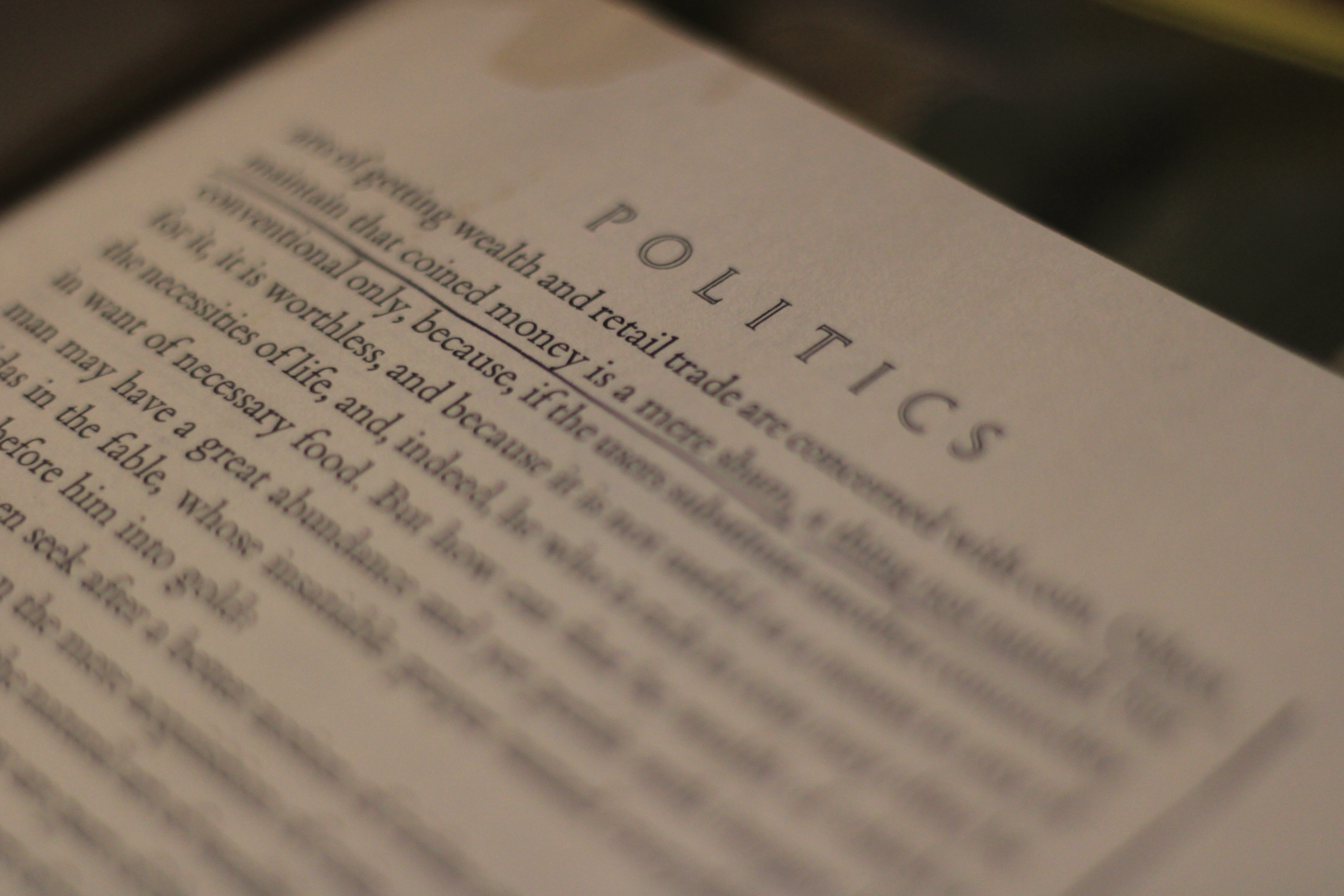
Aristotle makes a marked distinction in the practice of earning money for running a household, and that of earning money for the sake of it. He is particularly critical of usury (money-lending) and puts the practice of "making money _from_ money" as ethically the worst.
For natural riches and the natural art of wealth-getting are a different thing; in their true form they are part of the management of a household; whereas retail trade is the art of producing wealth, not in every way, but by exchange. And it is thought to be concerned with coin; for coin is the unit of exchange and the measure or limit of it. And there is no bound to the riches which spring from this art of wealth getting. As in the art of medicine there is no limit to the pursuit of health, and as in the other arts there is no limit to the pursuit of their several ends, for they aim at accomplishing their ends to the uttermost (but of the means there is a limit, for the end is always the limit), so, too, in this art of wealth-getting there is no limit of the end, which is riches of the spurious kind, and the acquisition of wealth. But the art of wealth-getting which consists in household management, on the other hand, has a limit; the unlimited acquisition of wealth is not its business. And, therefore, in one point of view, all riches must have a limit; nevertheless, as a matter of fact, we find the opposite to be the case; for all getters of wealth increase their hoard of coin without limit. The source of the confusion is the near connection between the two kinds of wealth-getting; in either, the instrument is the same, although the use is different, and so they pass into one another; for each is a use of the same property, but with a difference: accumulation is the end in the one case, but there is a further end in the other. Hence some persons are led to believe that getting wealth is the object of household management, and the whole idea of their lives is that they ought either to increase their money without limit, or at any rate not to lose it. The origin of this disposition in men is that they are intent upon living only, and not upon living well; and, as their desires are unlimited they also desire that the means of gratifying them should be without limit. Those who do aim at a good life seek the means of obtaining bodily pleasures; and, since the enjoyment of these appears to depend on property, they are absorbed in getting wealth: and so there arises the second species of wealth-getting. For, as their enjoyment is in excess, they seek an art which produces the excess of enjoyment; and, if they are not able to supply their pleasures by the art of getting wealth, they try other arts, using in turn every faculty in a manner contrary to nature. The quality of courage, for example, is not intended to make wealth, but to inspire confidence; neither is this the aim of the general's or of the physician's art; but the one aims at victory and the other at health. Nevertheless, some men turn every quality or art into a means of getting wealth; this they conceive to be the end, and to the promotion of the end they think all things must contribute.
...
There are two sorts of wealth-getting, as I have said; one is a part of household management, the other is retail trade: the former necessary and honorable, while that which consists in exchange is justly censured; for it is unnatural, and a mode by which men gain from one another. The most hated sort, and with the greatest reason, is usury (money lending), which makes a gain out of money itself, and not from the natural object of it. For money was intended to be used in exchange, but not to increase at interest. And this term interest, which means the birth of money from money, is applied to the breeding of money because the offspring resembles the parent. Wherefore as mode of getting wealth, this is the most unnatural.
- Politics, Book I, Aristotle
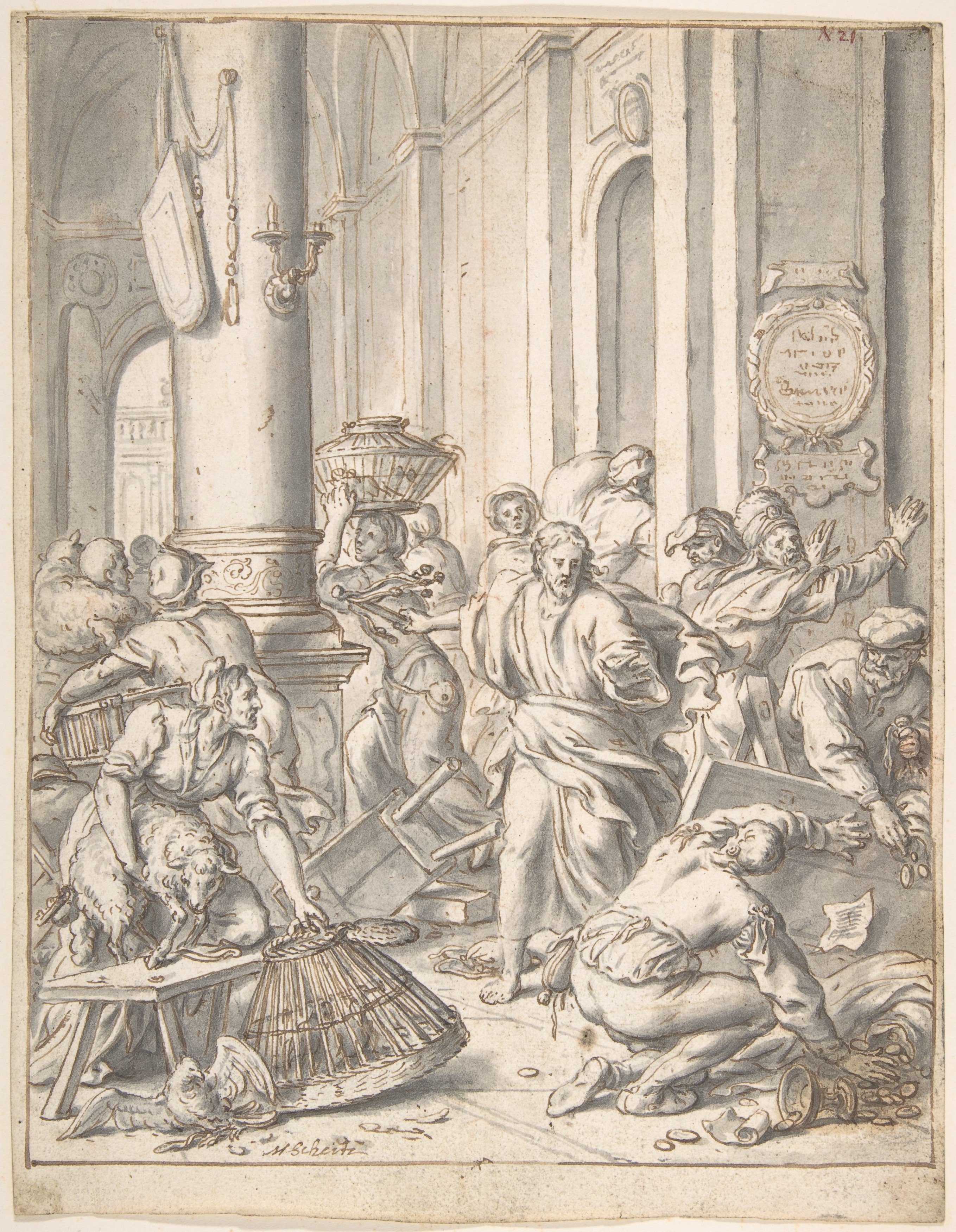
Jesus directly confronted the heart of the matter by disrupting the Jerusalem temple market (notably "overturning money changers' tables"). This was during Passover, when it was very visible, with the festival swell of pilgrims in the city.
"for my house shall be called a house of prayer for all peoples"
"has this house become a den of robbers in your eyes?"
He was arrested and crucified five days later.This view of money was broadly the prevalent view regarding the ethical aspects of money in the western world. Aristotle has no compunctions in recognising coins as a medium of exchange and trade. But, about money-lending there were taboos and the Christian church banned (or at least strongly discouraged) followers from practicing it.[2]
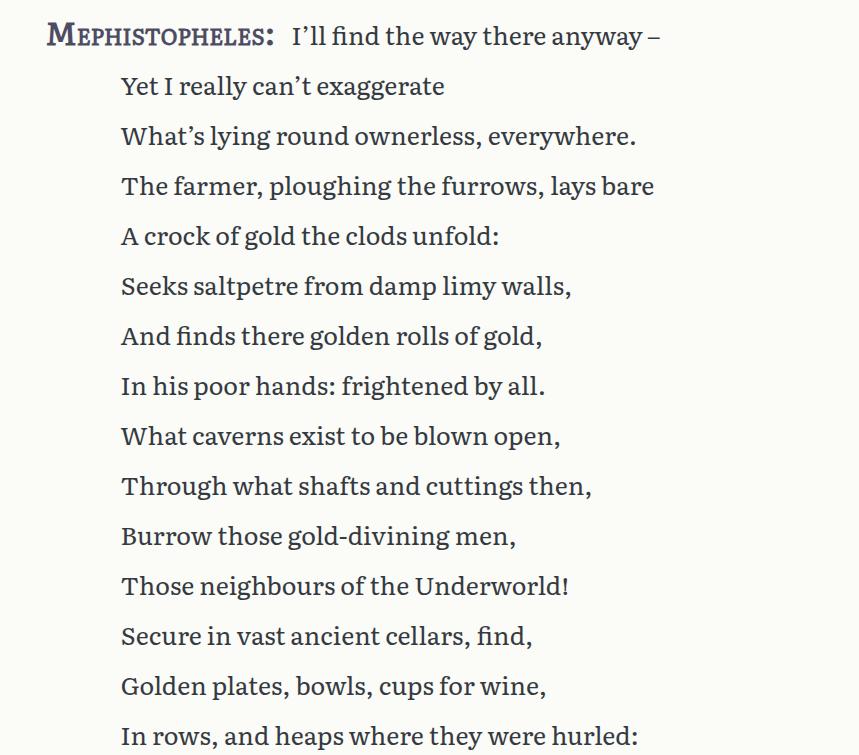
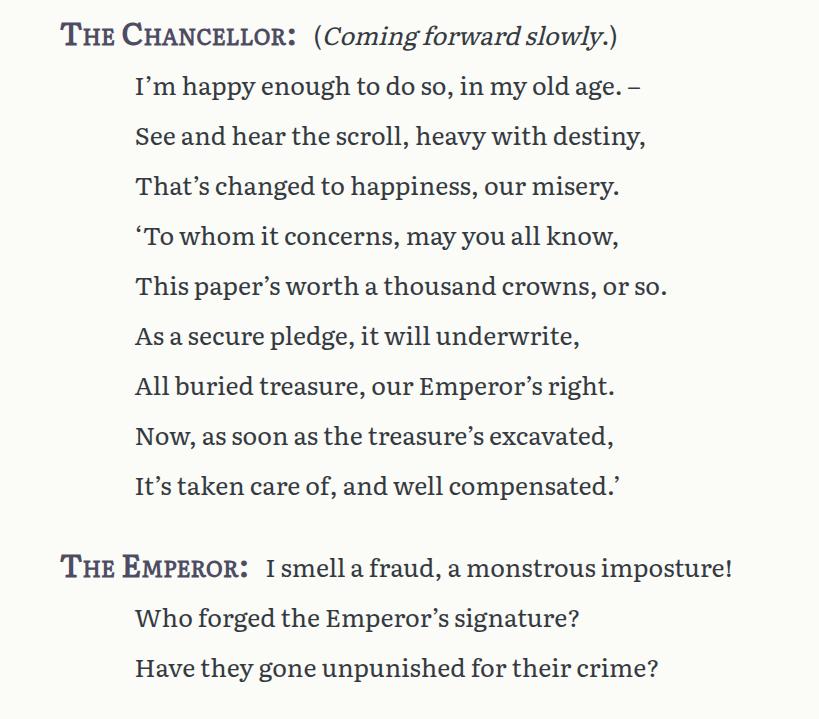
Goethe's "Faust - Part II" has this facinating exchange in the Roman Emperor's court where Mephistophelenes introduces the radical idea of making limitless money from paper "IOU notes" - against the, as yet, unmined fantastical gold and treasures under the earth.Within a couple of days, Faust and Mephistopholenes manage to "multiply" the emperor's signature and pay of all debts of the empire.
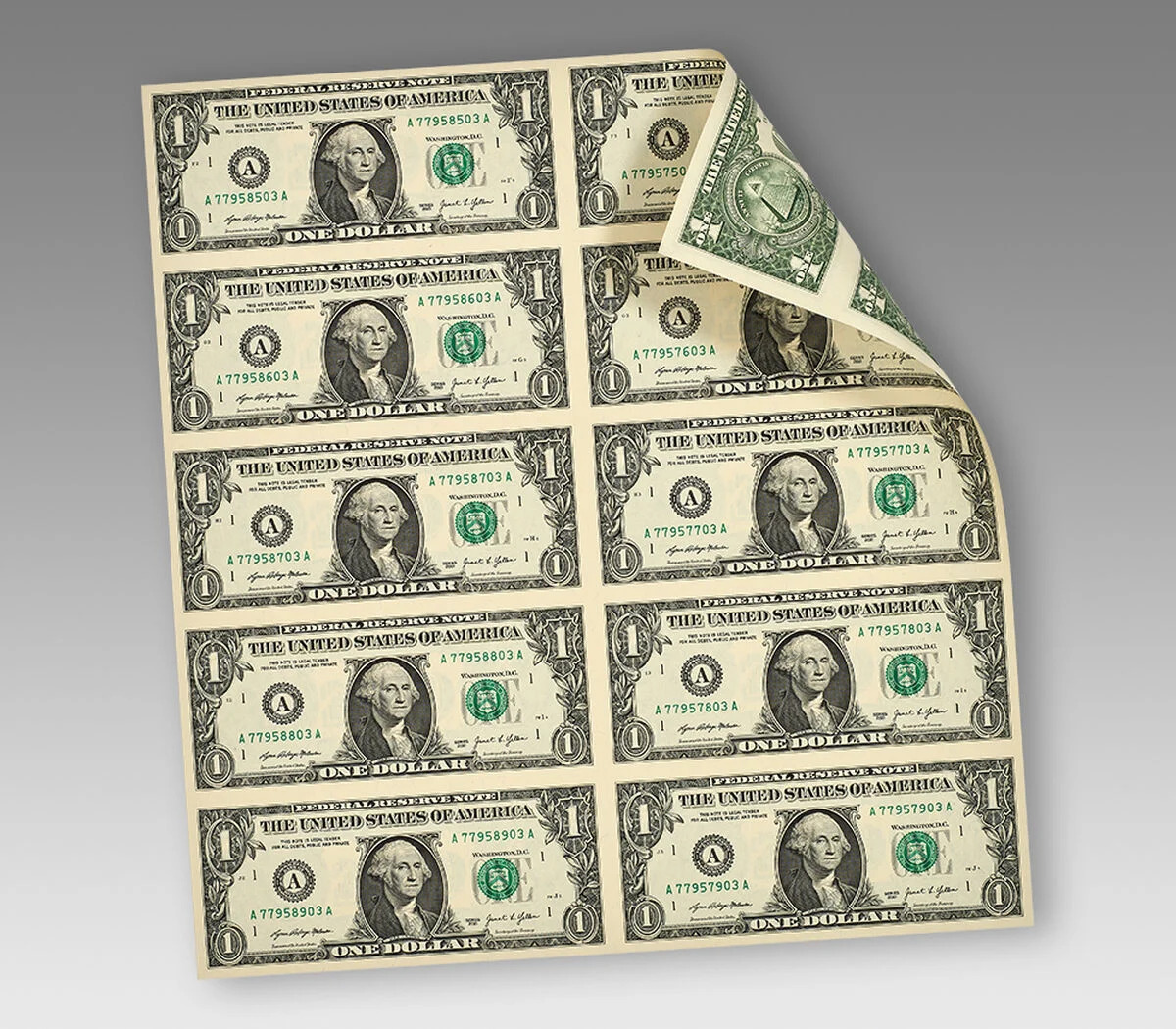
The recent money printing from the US government has (quite justifiably) put a tingling of doubt in every thinking person's mind about the essence of money.
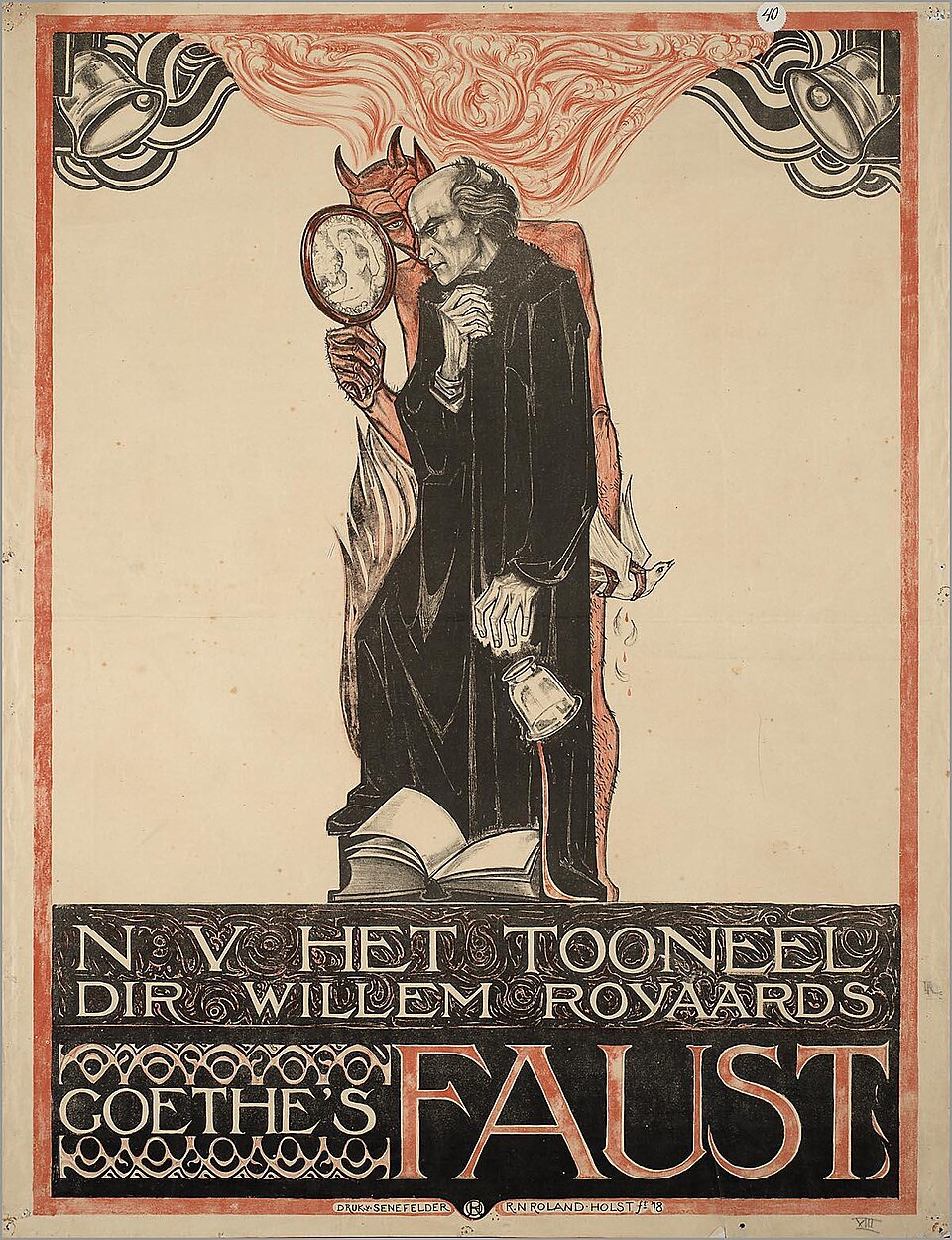
The wager in the beginning of the play is very revealing. The scene is thus: God and his angels are assembled. And they start talking about Faust on Earth. Faust is very learned and a master of literature, arts, sciences. Here, Mephistophelenes (the Devil) bets with God that he can swerve Faust from his path to God and liberation.
The Protestant Ethic and the Spirit of Capitalism,
Max Weber, 1905,
TBD
Footnotes
[1] Engineers and "MBA managers" as seperate disciplines is one of the causes of this rot. It serves to delink the technique and art of "building" a thing from the _justification_ (usually economic) of building the thing. The moral consequence of building the thing is tossed in limbo.
[2] The Jews had no such philosophical hangup in their theology and a majority of money-lenders across Europe were Jews. Hence, the stories of their love for money (famously depicted in Shakespeare's "The Merchant of Venice").
Image credits
East India Company - coat of arms - https://commons.wikimedia.org/wiki/File:Coat_of_arms_of_the_East_India_Company.svg